

Understanding Wild Tornado Sound Control Behaviour
The phenomenon of sound in wild tornadoes has fascinated scientists and the general public alike. This article will delve into the intricate mechanics of wild tornado sound control behaviour, showcasing how these natural events generate distinct acoustic signatures. Additionally, we will explore the implications of sound patterns associated with tornadoes, linking it to both environmental monitoring and even gaming experiences like those found at Wild Tornado Sound Control Behaviour Wild Tornado casino.
The Nature of Tornado Sound
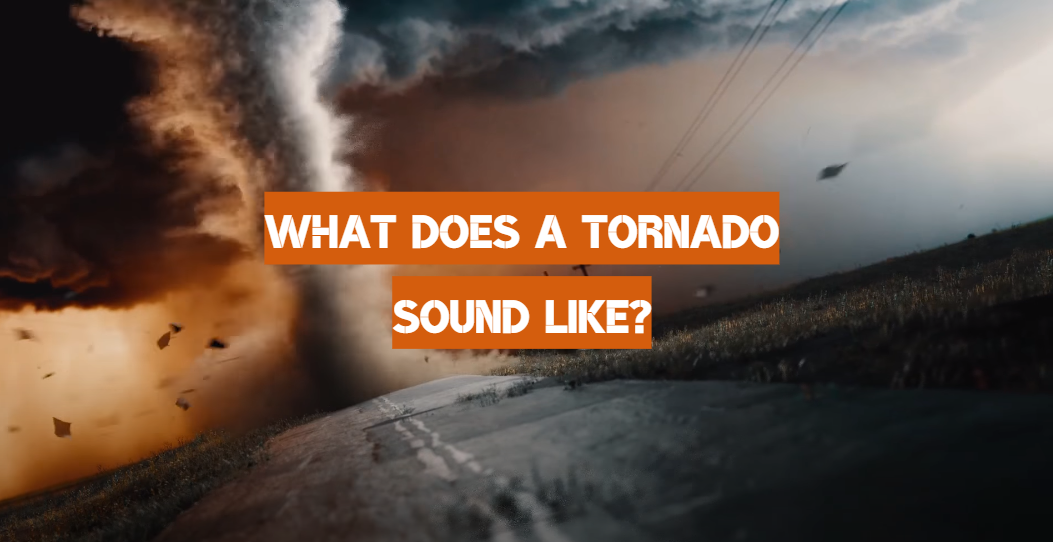
Tornadoes are violent rotating columns of air that extend from a thunderstorm to the ground. The sound they produce is a result of multiple factors, including wind speed, debris, and the interaction of these elements with the surrounding environment. The classic description of a tornado’s sound is often compared to the roar of a freight train, a characterization that highlights the intensity and unpredictability of the sound output.
Acoustic Characteristics of Tornadoes
The acoustic characteristics of tornadoes can be categorized based on their frequency, amplitude, and duration. These characteristics arise from various processes within the tornado:
- Wind Shear: The change in wind speed and direction with height can create turbulent sounds as air layers collide.
- Debris Interaction: As tornadoes lift and throw debris, the impact of these objects produces sharp, high-frequency sounds.
- Pressure Waves: Rapid changes in air pressure around the tornado generate low-frequency rumblings.
- Atmospheric Effects: The surrounding environment, including hills, buildings, and vegetation, can amplify or reflect sound waves, altering the acoustic signature.
Factors Influencing Sound Control Behaviour
Several factors govern the control behaviours of tornado sounds. Understanding these factors can help in predicting how these sounds will behave in various conditions:
- Wind Speed and Direction: Higher wind speeds typically contribute to louder and more chaotic sound profiles.
- Environmental Topography: The geography of the area where a tornado forms can affect sound propagation. For example, sound may carry differently over water than it does over land.
- Size and Structure: Larger tornadoes may produce lower frequencies that travel further, while smaller tornadoes might exhibit higher frequencies that dissipate quickly.
Sound Monitoring Techniques
To study tornado sounds effectively, scientists employ various monitoring techniques. These techniques include:
- Acoustic Sensors: Advanced microphones and sensors are placed in predicted tornado paths to capture sound data.
- Remote Sensing: Use of radar technology helps validate the presence of tornadoes and correlates their activity with acoustic signatures.
- Field Studies: Researchers conduct field studies to observe and record tornado events in real-time to correlate sound behaviour with specific tornado characteristics.
Implications of Sound Control Behaviour
Understanding wild tornado sound control behaviour has several practical implications:
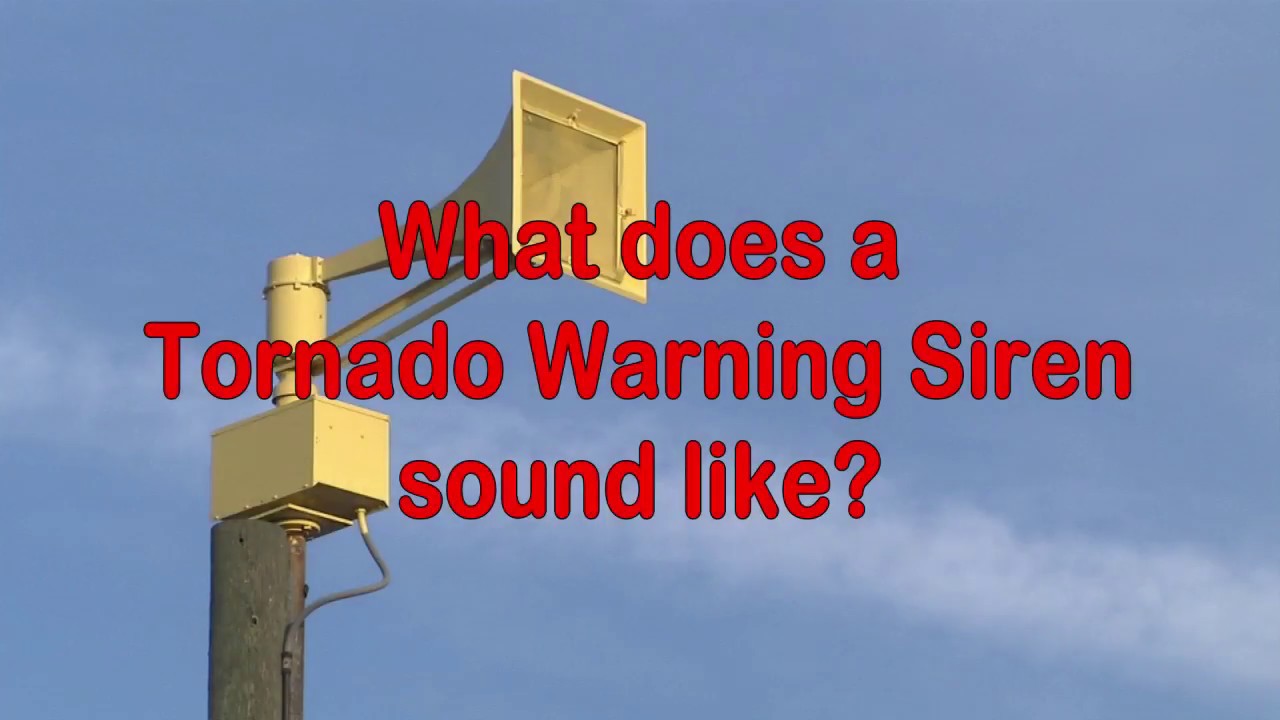
- Early Warning Systems: Accurate sound profiles can aid in the development of reliable early warning systems that alert people about impending tornadoes.
- Disaster Preparedness: Recognizing distinct acoustic signatures can improve preparedness efforts in tornado-prone regions.
- Environmental Research: Insights gained from tornado sounds can enhance our understanding of regional climate and related meteorological phenomena.
The Emotional Experience of Tornado Sounds
The sound of a tornado can evoke a range of emotional responses. For many, the roar signifies danger and fear, while for others, it can be a source of fascination. This psychological aspect is crucial to consider, especially in areas frequently impacted by severe weather. Education on tornado sounds can help demystify the auditory experience and foster a better understanding of risk management.
Conclusion
The study of wild tornado sound control behaviour is a complex and multifaceted area of research that bridges meteorology, acoustics, environmental science, and human psychology. As technology advances, our understanding of these phenomena will likely deepen, paving the way for enhanced safety measures and educational initiatives.
Furthermore, as we explore sound and its implications in various contexts – whether in the wild or the controlled environment of a gaming experience at locations like Wild Tornado casino – it becomes clear that sound plays a significant role in shaping our interactions with both nature and technology.
Further Reading
If you are interested in learning more about tornado sound research, consider exploring publications from the American Meteorological Society or accessing resources at the National Weather Service. These organizations provide valuable insights and data for both professionals and enthusiasts alike.